Skip To main content
defend Iceland

When Retired Domains Come Back to Haunt: The Hidden Risk of Legacy Corporate Assets

When Retired Domains Come Back to Haunt: The Hidden Risk of Legacy Corporate Assets

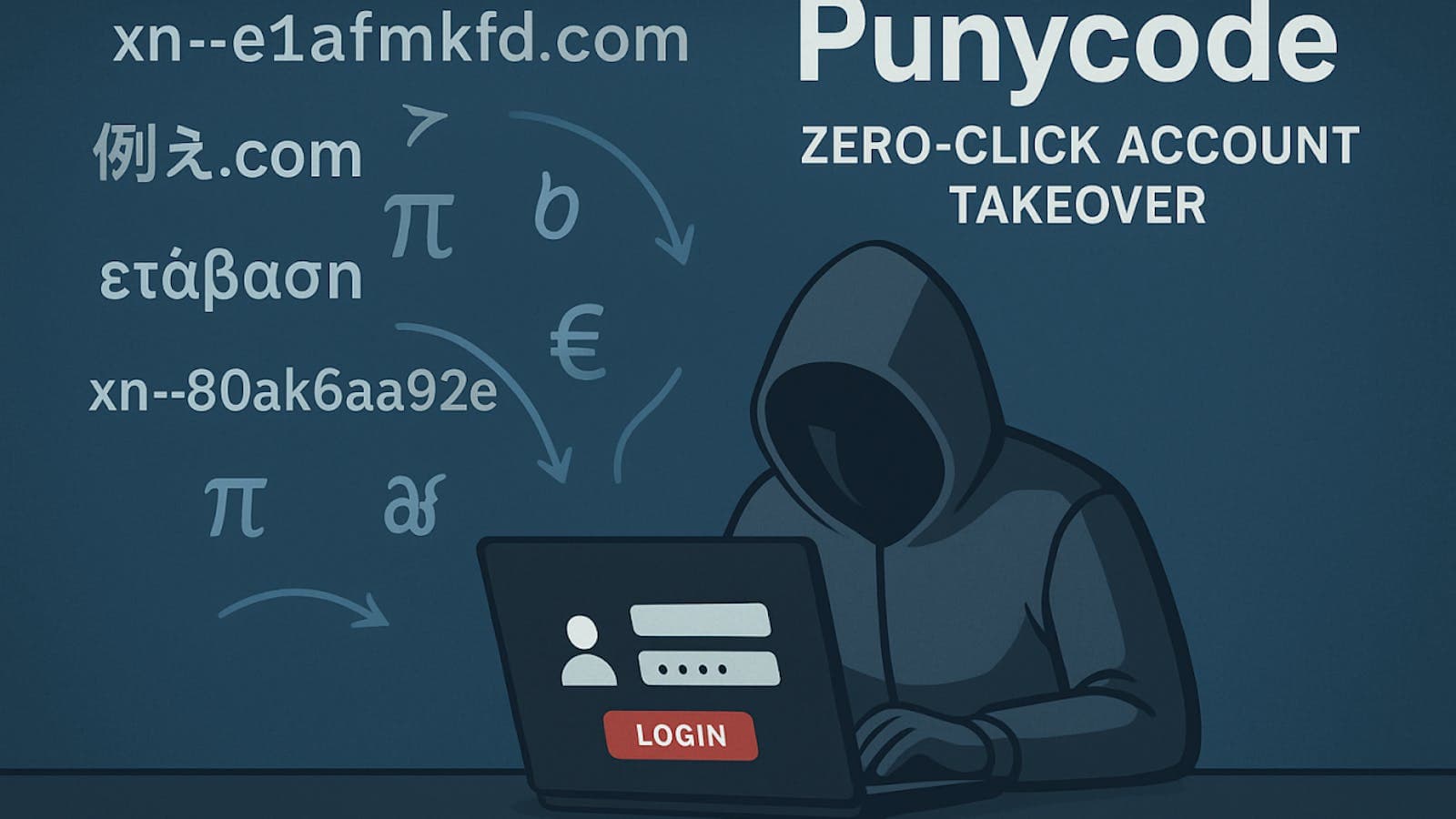
Summary for readers: Organizations evolve through mergers, acquisitions, and rebranding. Old domains get retired, but what happens when those domains can still receive password resets or act as the login email for third-party services for the previous owner? This post reveals an overlooked vulnerability we've seen through Defend Iceland's bug bounty platform: expired corporate domains that remain deeply embedded in third-party SaaS accounts. When these domains become available for registration, attackers can inherit access to SaaS accounts that still use the retired email domain for login or recovery. We'll show you exactly how this happens and why "just let it expire" is a dangerous domain retirement strategy.

The Legacy Domain Problem

Here's a scenario: Company A acquires Company B. They migrate the email infrastructure, update the website, and rebrand everything under Company A's domain. Company B's old domain name is retired, left to expire and not renewed, and everyone assumes that chapter is closed.

What many fail to account for is that dozens of Company B employees had signed up for third-party services using their old @companyb.is email addresses. Those project management tools, CI/CD platforms, vendor portals, documentation sites, and countless other Software-as-a-Service (SaaS) platforms? They're all still there, waiting for someone to claim the expired domain and potentially take control.

Through Defend Iceland's bug bounty platform, we've seen this pattern emerge as an overlooked attack vector in organizational security. The vulnerability isn't in your code or your infrastructure. It's in the assumption that an expired domain is a dead domain. In reality, it can become a skeleton key that can unlock years of access across countless SaaS accounts.

How Domain Expiry Becomes an Attack Vector

When a domain expires and returns to the registration pool, it doesn't just disappear. It becomes available for anyone to purchase. In Iceland, domains cycle back through ISNIC's registration system, where they can be claimed by anyone.

Here's what typically happens in these attacks:

  1. Discovery Phase: Attackers use OSINT techniques, DNS history lookups, and archived web pages to identify previously active corporate domains. They look for patterns that indicate old company names from mergers, acquisitions, or rebrands.
  2. Acquisition: The attacker registers the expired domain through ISNIC or other registrars.
  3. Email Configuration: They set up email forwarding or catch-all mailboxes to receive any messages sent to @expired-domain.is addresses.
  4. Service Enumeration: Using captured emails, mailing list notifications, and other DNS signals, they identify which services still reference the old domain.
  5. Account Takeover: They trigger password resets for discovered accounts, intercept the reset links, and gain access to the services.

The attacker now owns the domain and controls the email addresses. While the password reset flows work exactly as designed, the attacker is accessing data and accounts they have no right to touch.

The Technical Reality of Account Takeover

Let's break down exactly what an attacker can and can't do once they control an expired corporate domain:

Password-Based Accounts

Employee accounts on third-party SaaS that use email/password authentication become vulnerable. The attacker triggers a password reset, receives the link at the old domain they now control, and takes over the account. Where a service allows password reset by email link alone (no enforced second factor), compromise is typically immediate.

Single Sign-On (SSO) Considerations

SSO-protected accounts work differently. If an employee's account was federated through the company's active identity provider, the retired domain alone won't grant access. The existing SSO setup remains tied to the company's infrastructure, not the domain name itself.

However, some services have weak implementations. If a service routes authentication based solely on email domain without proper verification, or accepts any IdP claiming to own that domain, then an attacker might slip through. But this is the exception, not the rule. Most modern services require admin configuration and proper domain verification before trusting an IdP. Owning the retired domain later doesn't automatically unlock an existing SSO setup that was previously configured in the company's tenant.

What Security Researchers Have Found

Based on actual reports through Defend Iceland's platform, security researchers testing expired Icelandic corporate domains have discovered:

Email Activity: After configuring email forwarding, researchers observed various automated emails still being sent to the old domain. System alerts, mailing list messages, and service notifications revealed which platforms still had active connections.

SaaS Account Access: Researchers could reset passwords and access project tracking tools, CI/CD platforms, documentation sites, support desks, and vendor portals. In edge cases where a cloud provider root or admin login still used the retired email and lacked MFA, compromise was possible.

Collaboration Platform Exposure: Various collaboration and project management tools remained accessible through password resets, providing visibility into historical projects and internal discussions.

Supply Chain Connections: Vendor portals and B2B platforms where the old email domain still functioned as a valid credential for accessing partner systems.

Why Traditional Domain Retirement Falls Short

The standard approach to domain retirement is simple: stop renewing the domain, remove the DNS records, update the references you know about, and move on. This approach has gaps in today's SaaS-heavy environment.

Consider these challenges:

Shadow IT remains invisible: When employees independently sign up for services, there might be no central record. A developer's test environment or a project manager's client portal could exist outside official asset inventories.

Password resets bypass current controls: Modern controls at the acquiring company won't stop email-only resets for local accounts sent to the old, attacker-controlled domain.

Third parties don't track your organizational changes: External services continue treating user@old-domain.is as valid indefinitely, unaware of mergers or rebrands.

Moving Forward

This vulnerability exists at the intersection of identity management, domain ownership, and third-party services. It's not something that traditional security scans will catch, and it's easy to overlook during merger and acquisition planning.

For organizations that have retired domains previously used for employee email, the safest approach is often the simplest: keep the domain. The annual registration cost is minimal compared to the potential exposure. While you could technically audit all third-party services, monitor inbound emails (especially reset notices), and manually close every account, the complexity of that process and the risk of missing something makes domain retention the sensible choice for most organizations that have gone through rebrands, mergers, or acquisitions. Understanding which domains you've retired and who currently controls them is the first step in assessing your exposure.

About Defend Iceland

The vulnerabilities described in this post are based on findings reported through Defend Iceland's bug bounty platform. We're sharing these details to help organizations understand this vulnerability class and evaluate their own domain retirement practices. If your organization has retired domains that were once used for employee accounts, reviewing those decisions with this attack vector in mind could help identify and close potential security gaps.

Defend Iceland continues to work with security researchers and organizations to identify and responsibly disclose vulnerabilities. This collaborative approach helps strengthen the security posture of Iceland's digital infrastructure.


Deila

Aðrar fréttir

Sjá allar fréttir
Is Your CTO Vibe-Coding?

Is Your CTO Vibe-Coding?

Most of the conversation about AI and security runs in one direction: the barrier to entry for attackers is collapsing. A teenager with a chatbot can now scan, probe, and exploit at a level that used to require years of practice. That's a real problem, and it deserves the attention it gets.

Lesa meira
Landspítali

Multiple Landspitali Employee Domain Accounts at Risk of Compromise

This report details a critical security vulnerability discovered within Landspitalinn's systems through the Defend Iceland bounty program. A series of chained vulnerabilities and misconfigurations were identified, allowing attackers to compromise multiple employee credentials and register multi-factor authentication (MFA) to themselves.

Lesa meira
Public disclosure for a healthier cybersecurity culture

Public disclosure for a healthier cybersecurity culture

Landspitali is the leading hospital in Iceland and the largest workplace for employees in health care. It is funded by the Ministry of Welfare, supervised by the Directorate of Health and provides specialised and general care and has the capacity of approx. 700 beds. To say that it is an important organisation in Iceland is an understatement and almost every Icelander relies on their services in some way.

Lesa meira
How I found all corporate usernames in Iceland

How I found all corporate usernames in Iceland

One of my favorite methods to gain initial access to companies is finding valid credentials. If your target is just one employee, this might be near impossible. But what if you have hundreds, or even thousands of targets? What if the target victim is anyone in Iceland? Then gaining valid credentials goes from near impossible to near certain.

Lesa meira
XSS Beyond the Perimeter: When Internal Systems Become Attack Surfaces

XSS Beyond the Perimeter: When Internal Systems Become Attack Surfaces

Cross-site scripting (XSS) is often treated as a problem that ends at the public perimeter. In reality, customer input does not stop at the landing page. It flows into CRMs, ticketing consoles, and internal dashboards that may never have faced a penetration test. This walkthrough, based on real reports to Defend Iceland, shows how a harmless contact form can compromise the helpdesk staff who read it. To illustrate the chain end to end, we built a Netbankinn-themed lab that mirrors what we see in production environments. The public site is squeaky clean. The internal system is not, and an ezXSS payload turns one support ticket into full access to the staff's browser context.

Lesa meira
Hvernig villuveiðigáttir hjálpa þér að uppfylla NIS2

Hvernig villuveiðigáttir hjálpa þér að uppfylla NIS2

Ný tilskipun Evrópusambandsins um net- og upplýsingaöryggi, NIS2, er yfirvofandi og gerir auknar kröfur til mikilvægra og nauðsynlegra aðila um netöryggi, áhættustýringu og upplýsingagjöf. Fyrirtæki sem falla undir tilskipunina þurfa nú að sýna fram á aukna öryggisvitund, skilvirkari viðbragðsáætlanir og betri stjórn á veikleikum. Ein skynsamleg og hagkvæm leið til að ná þessum markmiðum er með villuveiðigáttum og stefnu um ábyrga upplýsingagjöf öryggisveikleika (e. coordinated vulnerability disclosure).

Lesa meira
404 Villa Happy Hour Fannst ekki!

404 Villa Happy Hour Fannst ekki!

Defend Iceland býður í Happy Hour með netöryggis- og varnarmála ívafi í samstarfi við miðstöð stafrænnar nýsköpunar (EDIH-IS) og Rannís. Viðburðurinn er opinn öllum sem hafa áhuga en skráning er nauðsynleg.

Lesa meira
Guðmundur Fertram fjárfestir í Defend Iceland

Guðmundur Fertram fjárfestir í Defend Iceland

Við hjá Defend Iceland erum stolt af því að tilkynna nýja fjárfestingu frá fjárfestingafélagi í eigu Guðmundar Fertrams Sigurjónssonar, stofnanda Kerecis, og fjölskyldu hans. Með þessari fjárfestingu styðja þau við framtíðarsýn okkar um öruggara stafrænt samfélag með þróun á villuveiðigátt okkar og öðrum lausnum. Ísland er fyrsti markaðurinn þar sem þessi tækni verður sannreynd og prófuð í raunumhverfi.

Lesa meira
Jason Haddix, forstjóri Arcanum Security

Einn færasti hakkari heims heldur námskeið á Íslandi í öryggisveikleika leit (e. Vulnerability hunting)

Jason Haddix, einn færasti hakkari heims og forstjóri Arcanum Security, er væntanlegur til landsins í næstu viku og mun leiða námskeið í öryggisveikleika leit í samstarfi við Defend Iceland dagana 21. - 23. janúar í Háskólanum í Reykjavík. Jason kemur frá Bandaríkjunum og er með yfir 20 ára reynslu í netöryggi auk þess hefur hann hlotið viðurkenningu sem einn af fremstu sérfræðingum á villuveiðigáttum (Bug Bounty Platform). Alþjóðleg fyrirtæki á borð við Apple, Microsoft, Google, KPMG, Deloitte, Amazon, Walmart og fleiri hafa reglulega nýtt sér námskeið og þekkingu Jason Haddix.

Lesa meira
Spennandi áfangi hjá Defend Iceland

Spennandi áfangi hjá Defend Iceland

Við fórum í loftið í febrúar á þessu ári og erum stolt af því að vera komin í samstarf við 26 frábæra viðskiptavini. Þessir aðilar spanna öll svið samfélagsins, frá stórum hluta fjármálageirans til lykilaðila í orku- og heilbrigðisgeiranum - og nú Alþingi Íslendinga.

Lesa meira
Defend Iceland gerir samning við Origo til að efla netöryggi

Defend Iceland gerir samning við Origo til að efla netöryggi

Í samtengdu stafrænu landslagi nútímans hefur öryggi hugbúnaðar eins fyrirtækis áhrif á alla. Nýlegt atvik CrowdStrike og „bláskjár dauðans“ - sem leiddi til lokunar flugvalla um allan heim - eru áminningar um hvernig jafnvel einn öryggisveikleiki getur komið af stað keðjuverkun með gríðarlegum afleiðingum.

Lesa meira
Erindi Tedda á netöryggisráðstefnu Fjarskiptastofu

Erindi Tedda á netöryggisráðstefnu Fjarskiptastofu

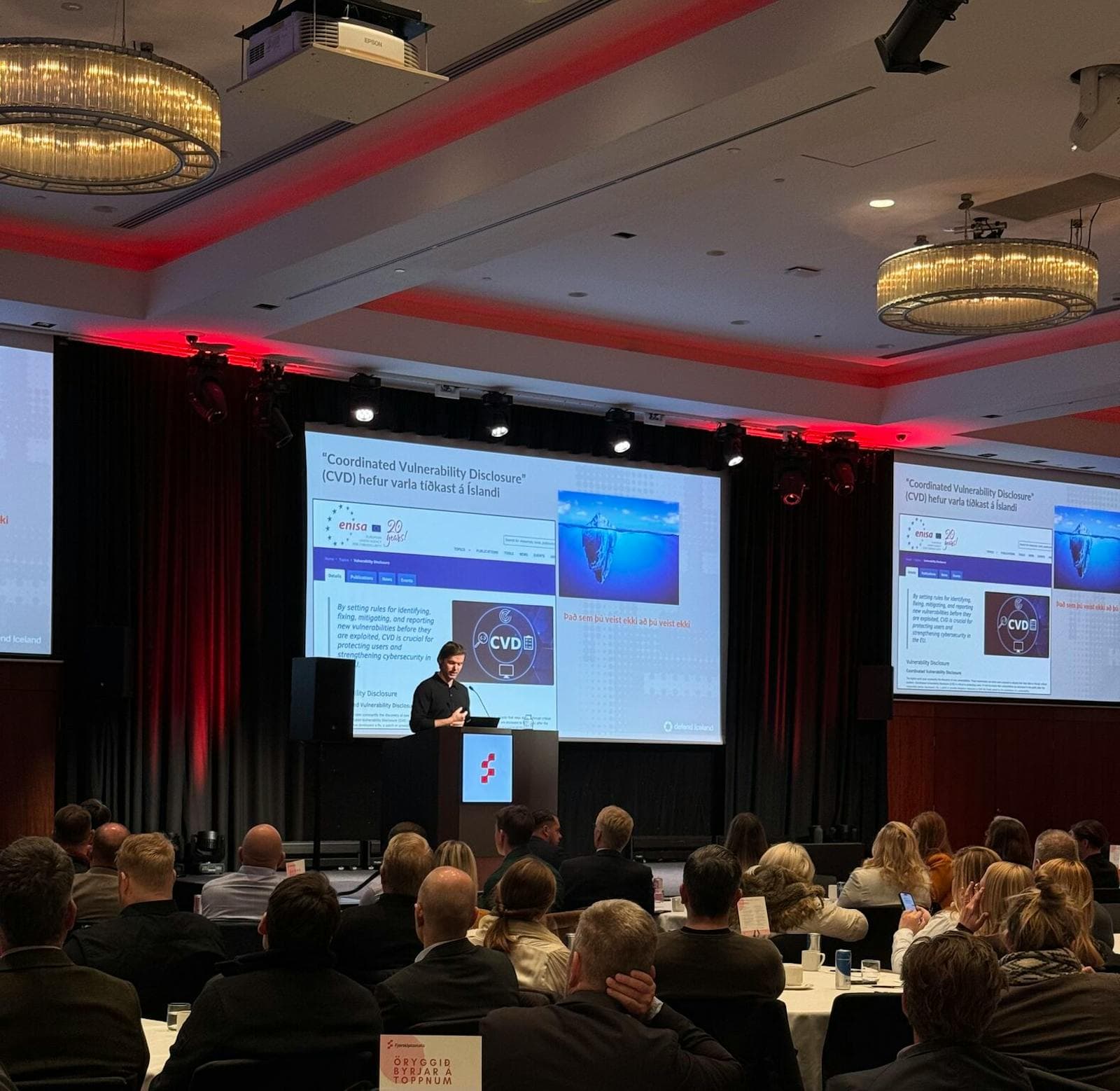
Í dag var Fjarskiptastofa/ECOI með netöryggisráðstefnu þar sem Theódór Ragnar Gíslason, framkvæmdastjóri okkar og stofnandi, var með erindi þar sem hann varpaði fram eftirfarandi spurningu: Erum við einum veikleika frá game over? Hvaða veikleiki væri svo krítískur á birgðahliðinni að það hefði gríðarleg áhrif ekki aðeins á fyrirtækið þitt heldur líka á samfélagið okkar?

Lesa meira
Pallborð á málþingi Rannís - Vegferð styrkjaumsókna og ráð frá þátttakendum

Pallborð á málþingi Rannís - Vegferð styrkjaumsókna og ráð frá þátttakendum

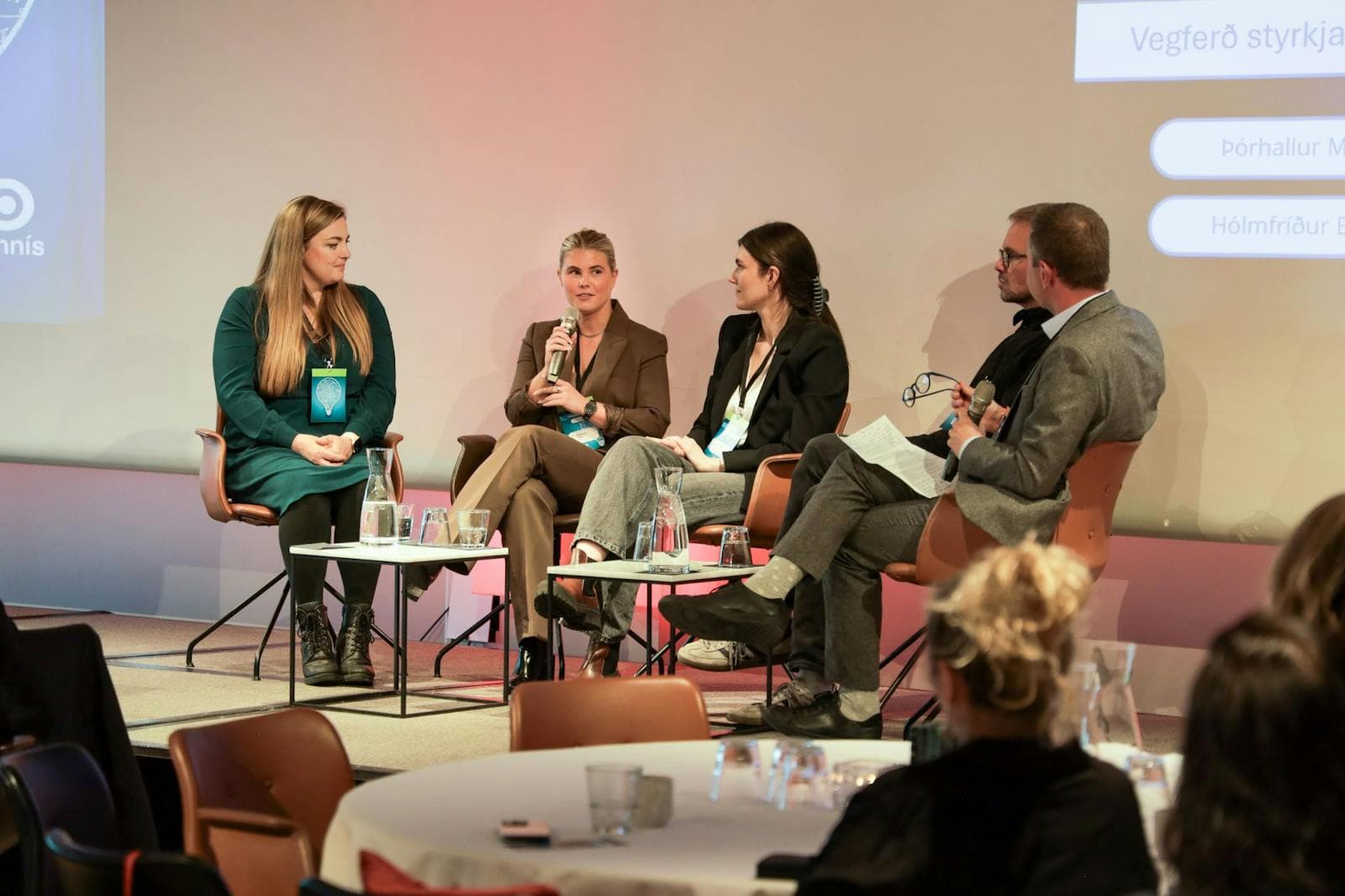
Hörn Valdimarsdóttir frá Defend Iceland sat í pallborði á málþingi Rannís á dögunum þar sem umræðuefnið var „Vegferð styrkjaumsókna og ráð frá þátttakendum”. Málþingið var einskonar stöðutaka á árangri Íslands á fyrstu þremur árum rammaáætlunar og vettvangur þar sem þátttakendur og mögulegir umsækjendur um rammáætlanir gátu borið saman bækur sínar og kynnst. Styrkurinn sem við fengum frá Rannís hefur sannarlega gert vegferð okkar auðveldari og er meðal þess sem varð til þess að hugmyndin um öruggara stafrænt Ísland gat orðið að veruleika!

Lesa meira
DrupalCon Europe 2024

DrupalCon Europe 2024

Við erum spennt að segja frá því að stofnandi okkar og framkvæmdastjóri, Theódór Ragnar Gíslason, flutti hvetjandi erindi á hinni virtu ráðstefnu, DrupalCon Europe sem haldin var í Barcelona í ár. Þar lagði Teddi áherslu á framtíðarsýn og vegferð Defend Iceland! Vegferðin frá því að vera ungur hakkari yfir í að stofna netöryggisfyrirtæki eins og Syndis og Defend Iceland var ekki alltaf auðveld! Kærar þakkir til Baddy Sonja Breidert og flotta teymisins hjá 1xINTERNET fyrir ómetanlegan stuðning.

Lesa meira
Defend Iceland og Stafrænt Ísland í samstarf um netöryggi

Defend Iceland og Stafrænt Ísland í samstarf um netöryggi

Stafrænt Ísland og Defend Iceland hafa skrifað undir samning um samstarf á sviði netöryggis. Tilgangur samningsins er að nýta villuveiðigátt Defend Iceland til að finna öryggisveikleika í kerfum Stafræns Íslands og auka þannig og styrkja varnir gegn netárásum.

Lesa meira
Segir afsökun Microsoft lélega

Segir afsökun Microsoft lélega

„Persónulega finnst mér þetta léleg afsökun,“ segir Theodór R. Gíslason, stofnandi Defend Iceland, þar sem hann gagnrýnir Microsoft vegna viðbragða fyrirtækisins við öryggisbilun sem olli stórfelldri truflun á föstudaginn.

Lesa meira
Hjörtur Pálmi Pálsson

Stýrir uppbyggingu samfélags netöryggissérfræðinga

Hjörtur Pálmi Pálsson hefur gengið til liðs við Defend Iceland og mun hann stýra uppbyggingu samfélags netöryggissérfræðinga fyrirtækisins auk þess að leiða greiningu og úrvinnslu þeirra öryggisveikleika sem finnast hjá viðskiptavinum Defend Iceland. Greint er frá ráðningu hans í fréttatilkynningu.

Lesa meira
Skagi og Defend Iceland í samstarfi

Skagi og Defend Iceland í samstarfi

Skagi og Defend Iceland hafa gert samning um aðgang að hugbúnaði villuveiðigáttar fyrirtækisins til að fyrirbyggja árásir á net- og tölvukerfi Skaga, en í samstæðu Skaga eru VÍS, Fossar fjárfestingarbanki og SIV eignastýring.

Lesa meira
Brimborg og Defend Iceland í samstarf um netöryggi

Brimborg og Defend Iceland í samstarf um netöryggi

Brimborg hefur samið við netöryggisfyrirtækið Defend Iceland um aðgang að villuveiðigátt fyrirtækisins til að styrkja enn frekar varnir félagsins gagnvart netárásum, afla þekkingar á veikleikum tölvukerfa þess og miðla til eflingar netöryggis á Íslandi. Í samningnum felst að öryggissérfræðingar Defend Iceland munu nýta forvirkar öryggisaðgerðir til að leita að öryggisveikleikum, með því að herma aðferðir netárásarhópa og tölvuþrjóta, og tryggja þannig að hægt sé að laga veikleikana áður en þeir verða notaðir til netinnbrota.

Lesa meira
Gætu þurft að líta á netárásir sem hernað

Gætu þurft að líta á netárásir sem hernað

Netárásum hefur fjölgað verulega á Íslandi eftir að Rússar réðust inn í Úkraínu í febrúar 2022. Líklegt þykir að netþrjótarnir sem réðust á kerfi Árvakurs í gær tengist rússneskum glæpasamtökum – og jafnvel Kreml.

Lesa meira
Höfuðstöðvar Morgunblaðsins

Þetta er hópurinn sem gerði árás á Morgunblaðið

Rússneski hakkarahópurinn Akira er sagður hafa staðið á bak við árás á tölvukerfi Morgunblaðsins með þeim afleiðingum að gríðarlegt magn gagna var tekið í gíslingu. Vegna þessa lá fréttavefur Morgunblaðsins niðri í um þrjár klukkustundir og útsendingar K100 lágu niðri.

Lesa meira
Kóði og Defend Iceland í samstarf

Kóði og Defend Iceland í samstarf

Kóði og netöryggisfyrirtækið Defend Iceland hafa gert samning um aðgang að hugbúnaði villuveiðigáttar fyrirtækisins til að fyrirbyggja árásir á net- og tölvukerfi Kóða.

Lesa meira
Heiðarlegir hakkarar til varnar

Heiðarlegir hakkarar til varnar

Netöryggismál eru Theódóri Ragnari Gíslasyni hugleikin enda nauðsynlegt að huga að örygginu þegar viðkvæmar upplýsingar eru annars vegar. Fyrirtæki hans, Defend Iceland, aðstoðar fyrirtæki við að koma auga á veikleikana svo hægt sé að tryggja að ekki verði gerðar netárásir sem geta valdið miklum skaða eða viðkvæmum upplýsingum stolið. Theódór hyggst auka stafrænt öryggi Íslands og svo nýta þá reynslu víðar í hinum stóra heimi.

Lesa meira
Reiknistofa bankanna og Defend Iceland í samstarf

Reiknistofa bankanna og Defend Iceland í samstarf

Reiknistofa bankanna hefur samið við netöryggisfyrirtækið Defend Iceland um aðgang að hugbúnaði villuveiðigáttar fyrirtækisins. Með notkun villuveiðigáttarinnar nýtir Reiknistofa bankanna nýjustu aðferðir í netöryggi til að tryggja öryggi innviða fjármálakerfisins.

Lesa meira
Netöryggisfundur Defend Iceland

Netöryggisfundur Defend Iceland

Netöryggisfyrirtækið Defend Iceland, ásamt Rannís, Háskólanum í Reykjavík og Miðstöð stafrænnar nýsköpunar (EDIH-IS), hélt á dögunum hádegisfund í Grósku þar sem sjónum verður beint að forvirkum netöryggisráðstöfunum.

Lesa meira
Netárásir geta lamað samfélagið

Netárásir geta lamað samfélagið

Háskólinn í Reykjavík hefur enn ekki greitt lausnargjald fyrir gögn sem stolið var af rússneskum hakkarahópi í byrjun árs. Þrátt fyrir það hafa gögnin ekki verið birt. Lektor í tölvunarfræði segir þetta óvenjulegt fyrir hópinn en fleiri íslensk fyrirtæki hafi lent í því sama.

Lesa meira
Íslandsbanki semur um villuveiðigátt Defend Iceland

Íslandsbanki semur um villuveiðigátt Defend Iceland

Íslandsbanki er á meðal fyrstu fyrirtækja til að taka í notkun villuveiðigátt Defend Iceland, en í henni leiða saman krafta sína öryggissérfræðingar úr mörgum áttum og með ólíkan bakgrunn til að koma í veg fyrir alvarleg innbrot í net-, tölvu- og hugbúnaðarkerfi fyrirtækja og stofnana.

Lesa meira
Arion banki semur við Defend Iceland

Arion banki semur við Defend Iceland

Arion banki hefur gert samning við netöryggisfyrirtækið Defend Iceland um aðgang að hugbúnaði villuveiðigáttar fyrirtækisins. Í samningnum felst að öryggissérfræðingar Defend Iceland herma netárásir hakkara og árásarhópa í því skyni að finna veikleika í kerfum bankans svo hægt sé að lagfæra þá áður en þeir valda alvarlegum skaða.

Lesa meira
Fyrsta villuveiðigáttin fer vel af stað

Fyrsta villuveiðigáttin fer vel af stað

Íslensk fjármálafyrirtæki eru meðal þeirra sem taka þátt í villuveiðigátt Defend Iceland. Nú þegar hafa heiðarlegir hakkarar fengið greitt milljónir fyrir að benda á öryggisgalla og koma fyrirtækjum frá tilheyrandi tjóni.

Lesa meira
Tilkynna veikleika